Teaching Robots to Grasp the Real World
Picking up a mug is trivial for people and famously hard for robots. Learning from simulation is changing that.
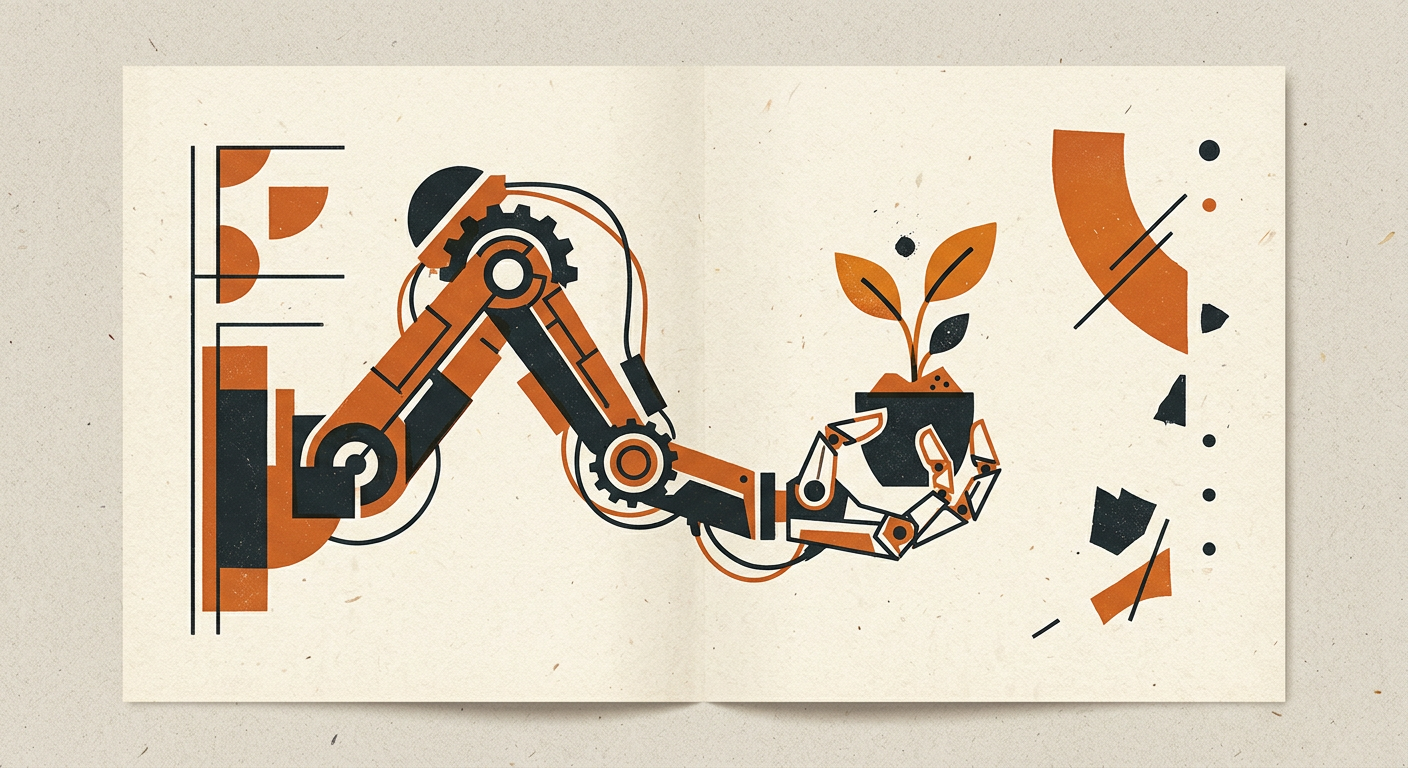
Grasping looks easy until you try to program it. Objects vary in shape, weight, texture, and fragility. Lighting changes. Sensors are noisy. Hand-written rules quickly break.
Practice in simulation
Modern approaches let robots attempt millions of grasps in simulated worlds. By randomizing physics, colors, and object shapes, the learned policy becomes robust enough to transfer to real hardware.
Closing the sim-to-real gap
- Domain randomization makes simulation deliberately messy.
- A small amount of real-world fine-tuning fixes remaining errors.
- Tactile sensors give feedback that cameras miss.
The goal is not a perfect simulator. It is a policy that has seen so much variety that reality looks familiar.
Keep reading
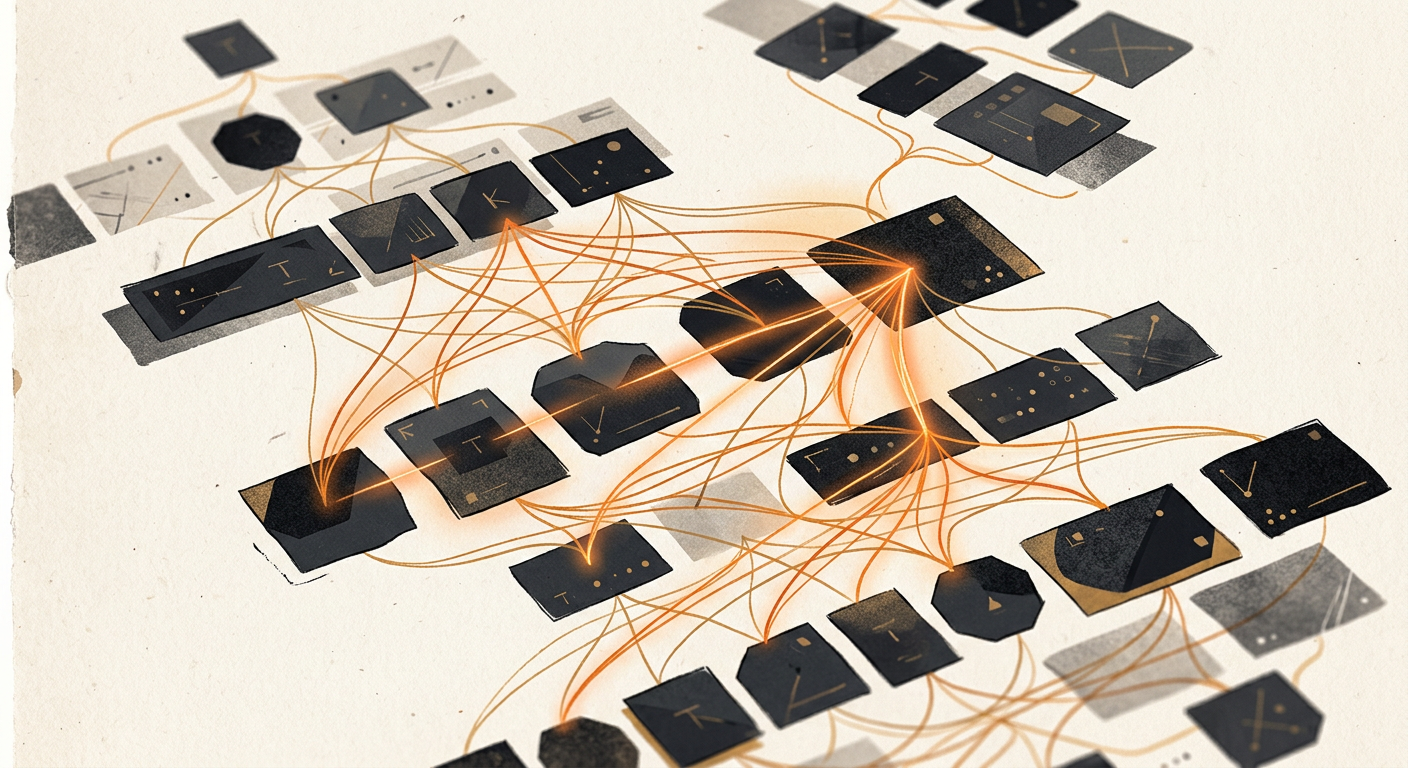
How Transformers Changed Everything
A single architecture built on attention now powers chatbots, translation, code assistants, and more. Here is why it worked.
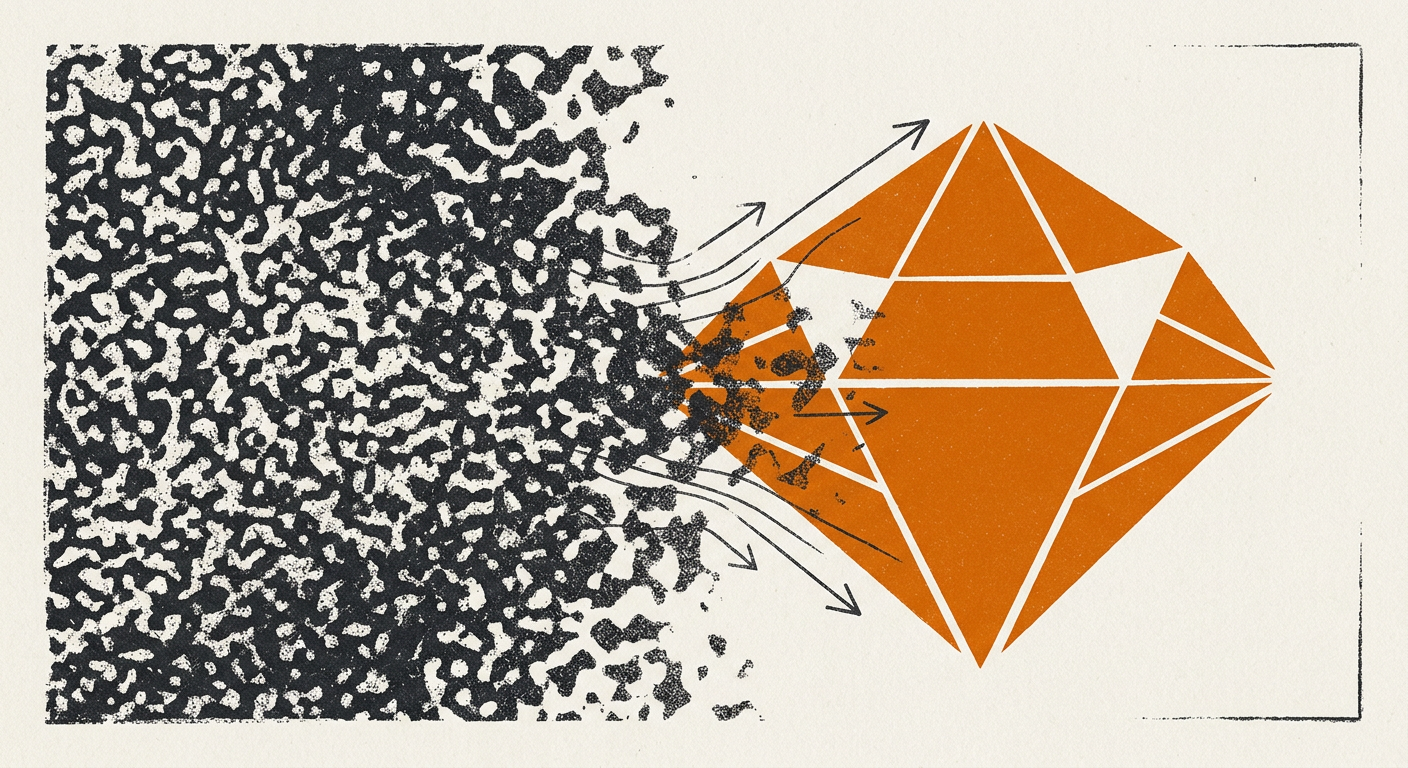
Diffusion Models, Explained Without the Math
Image generators start from pure noise and slowly sculpt a picture. The intuition is simpler than you might expect.
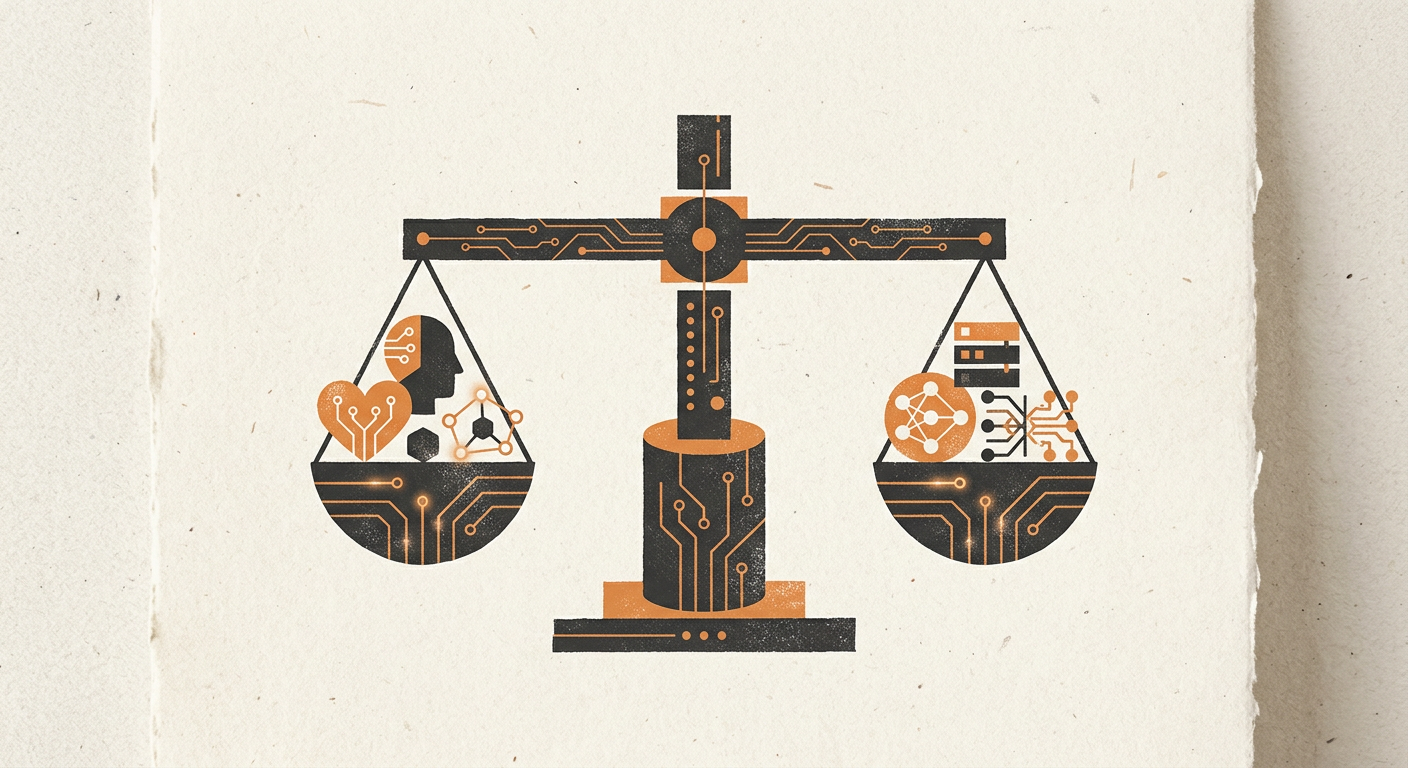
The Case for Algorithmic Audits
We audit company finances. As AI systems make decisions about loans, jobs, and healthcare, we should audit them too.