How Transformers Changed Everything
A single architecture built on attention now powers chatbots, translation, code assistants, and more. Here is why it worked.
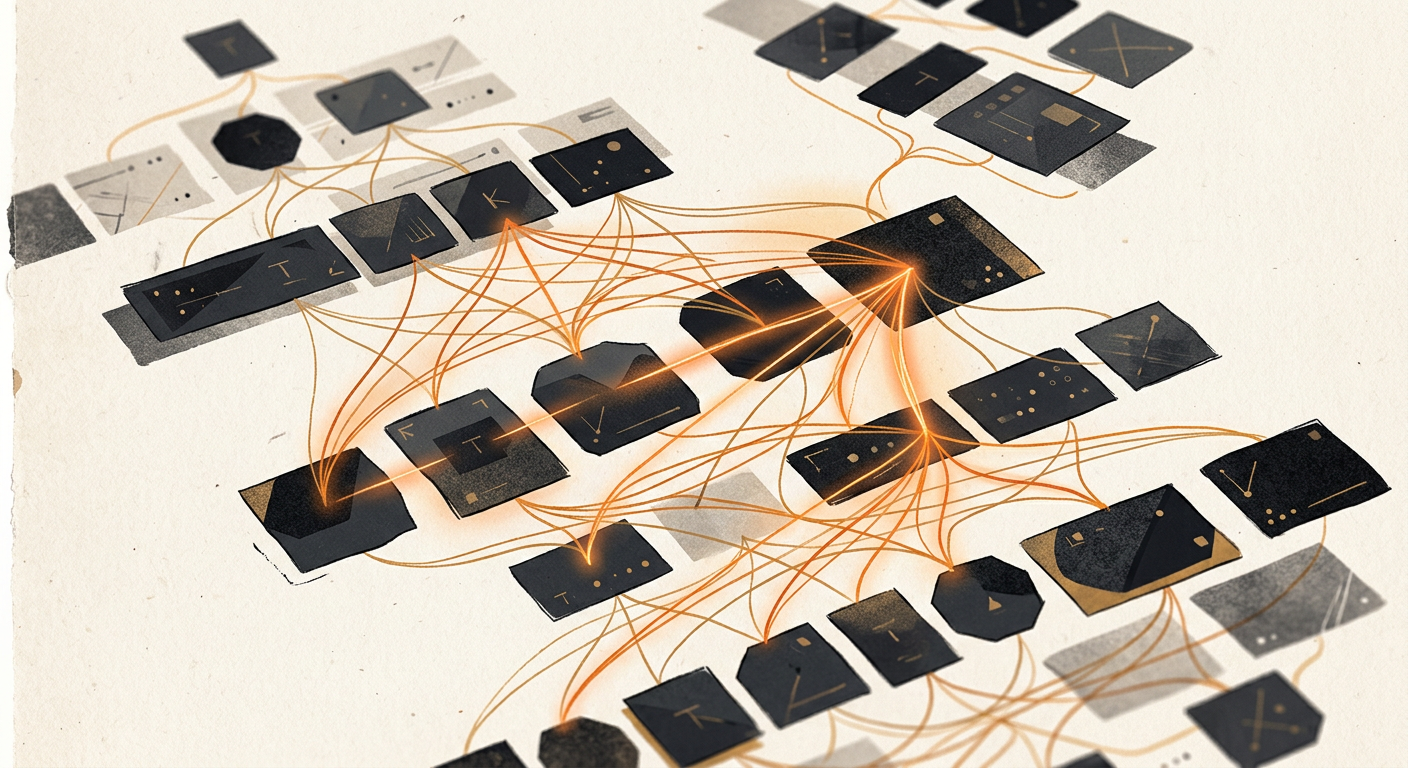
In 2017 a paper titled "Attention Is All You Need" proposed dropping recurrence entirely and letting every word in a sentence look directly at every other word. That idea, the transformer, quietly became the foundation of modern AI.
The problem with reading one word at a time
Earlier sequence models processed text step by step. Information from the start of a paragraph had to survive a long chain of updates to influence the end. Training was slow because each step depended on the previous one, and long-range context tended to fade.
Attention as a lookup table
Attention reframes the problem. Each token produces a query, a key, and a value. The query is compared against every key, and the resulting scores decide how much of each value to blend in. The whole sequence is processed in parallel, which maps beautifully onto GPUs.
Transformers did not just improve accuracy. They made scale practical, and scale turned out to matter more than almost anything else.
Why it generalized so well
- Parallel training lets models consume vastly more data.
- The same block works for text, images, audio, and proteins.
- Stacking more layers reliably improves capability.
Today nearly every frontier model, from chat assistants to image generators, borrows the transformer blueprint. Understanding attention is the single best step toward understanding modern AI.
Keep reading
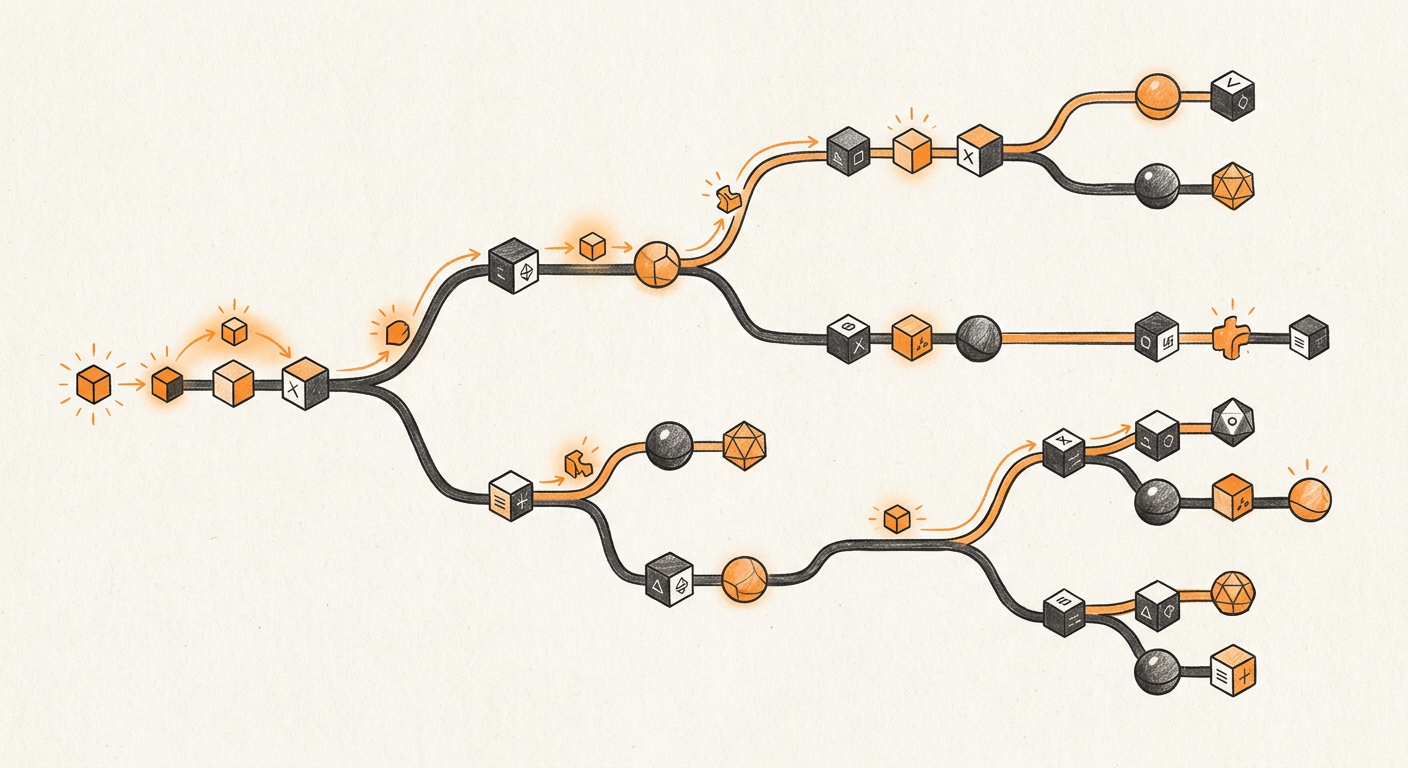
The Rise of AI Agents
Language models are learning to plan, use tools, and complete multi-step tasks. What makes an agent different from a chatbot?
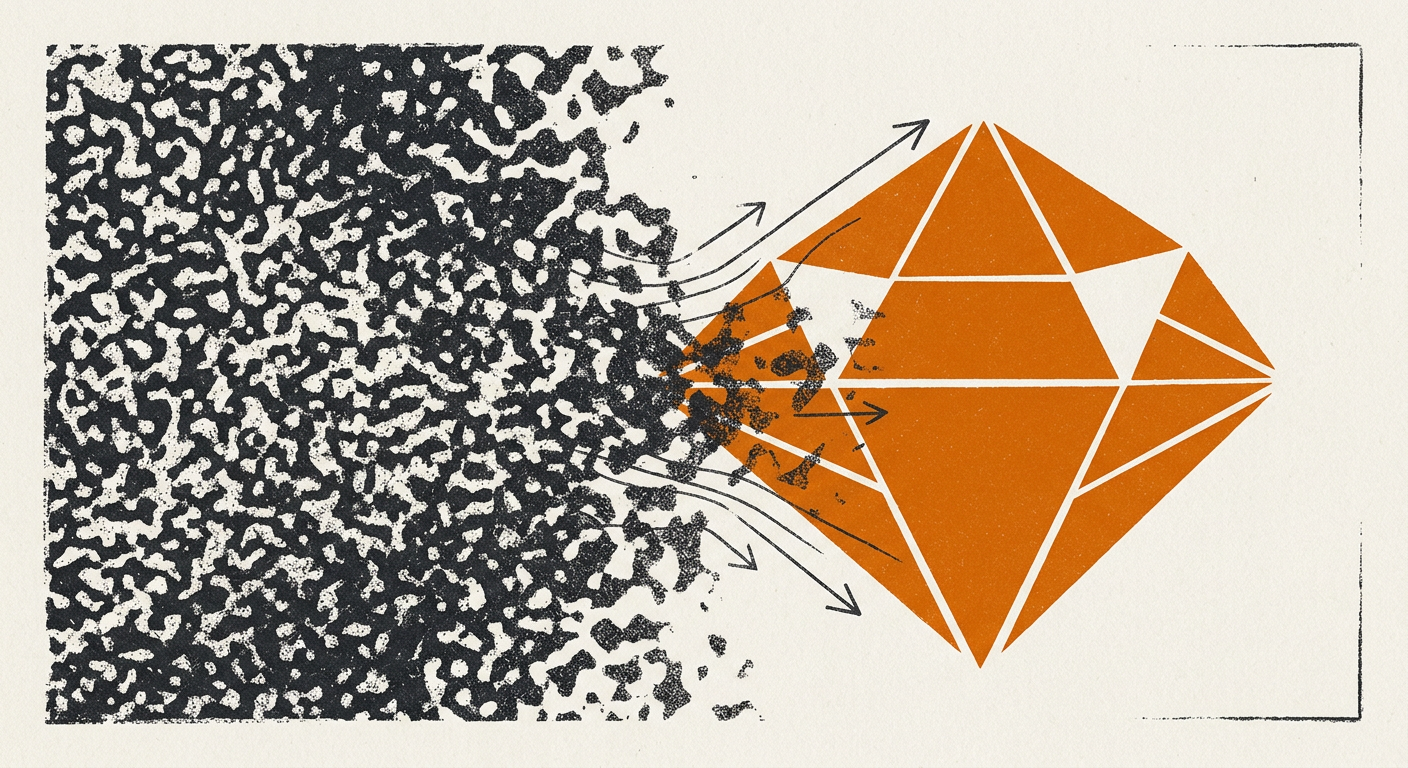
Diffusion Models, Explained Without the Math
Image generators start from pure noise and slowly sculpt a picture. The intuition is simpler than you might expect.
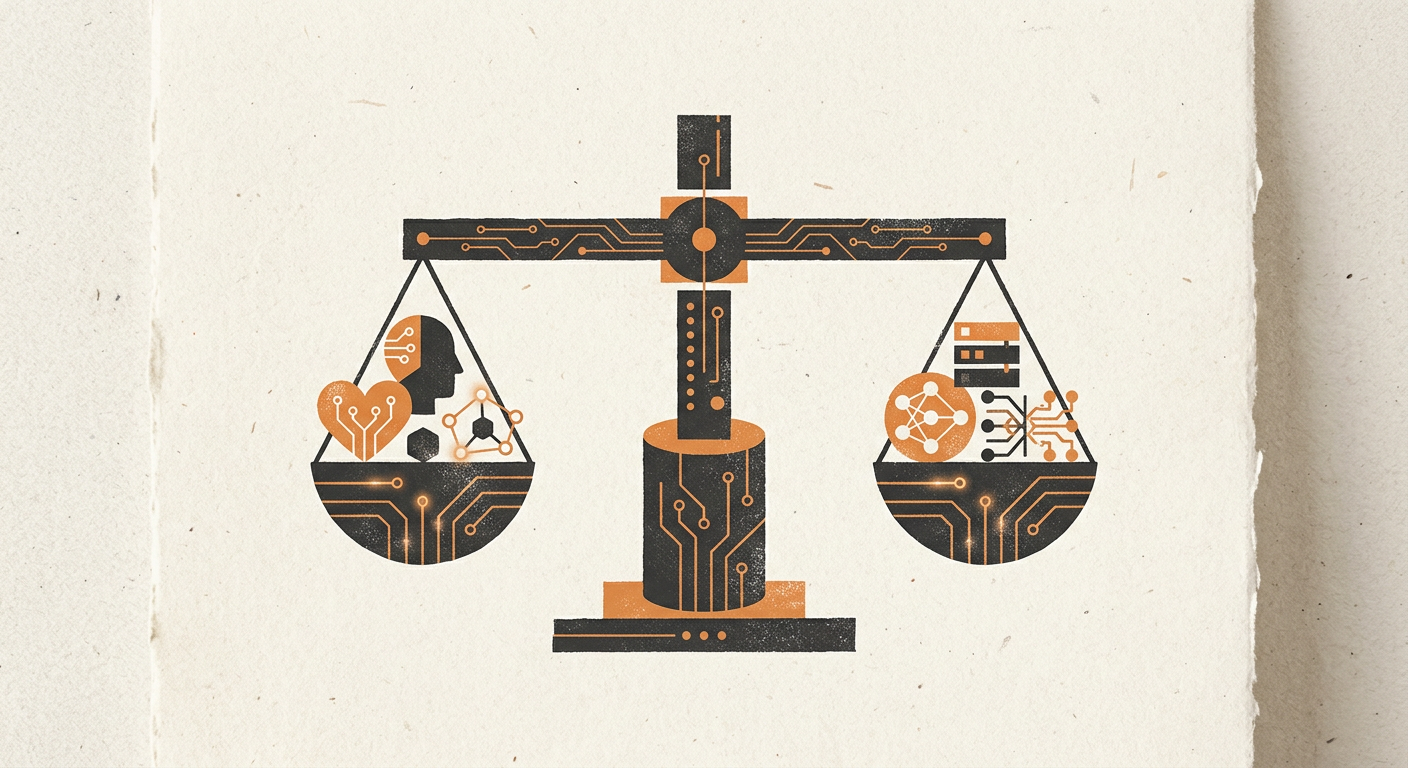
The Case for Algorithmic Audits
We audit company finances. As AI systems make decisions about loans, jobs, and healthcare, we should audit them too.