Diffusion Models, Explained Without the Math
Image generators start from pure noise and slowly sculpt a picture. The intuition is simpler than you might expect.
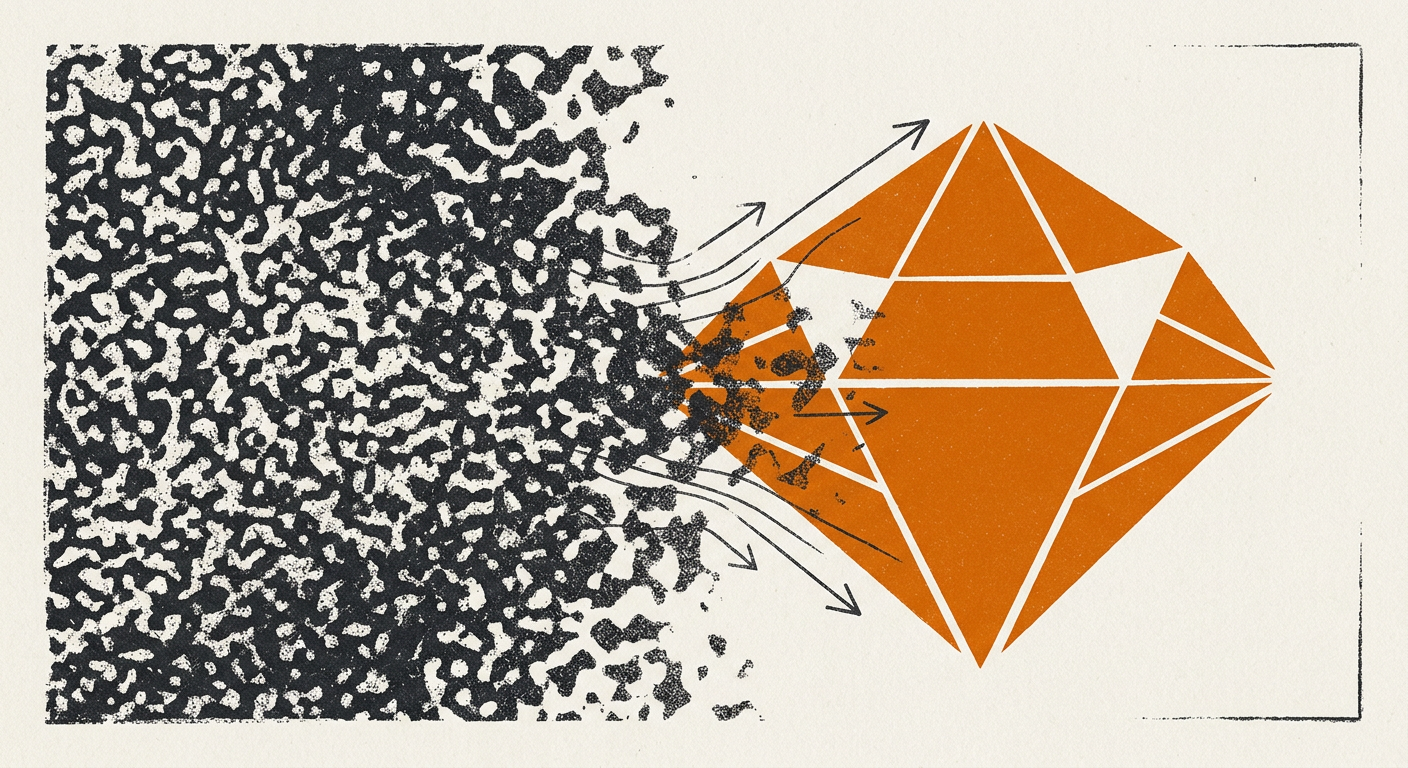
Diffusion models learn to reverse a process of destruction. During training, images are gradually buried in random noise. The model learns to predict and remove a little of that noise at each step.
Learning to denoise
If a network can reliably clean up a slightly noisy image, you can chain that ability hundreds of times. Start from static, denoise, repeat, and a coherent image emerges.
Where the text prompt comes in
A text encoder turns your prompt into a vector that guides every denoising step. The model is nudged toward images that match the description, which is why wording matters so much.
Generation is just denoising with a strong opinion about what the result should look like.
- More steps usually means more detail but slower output.
- Guidance strength trades creativity for prompt faithfulness.
- Latent diffusion works in a compressed space to save compute.
Keep reading
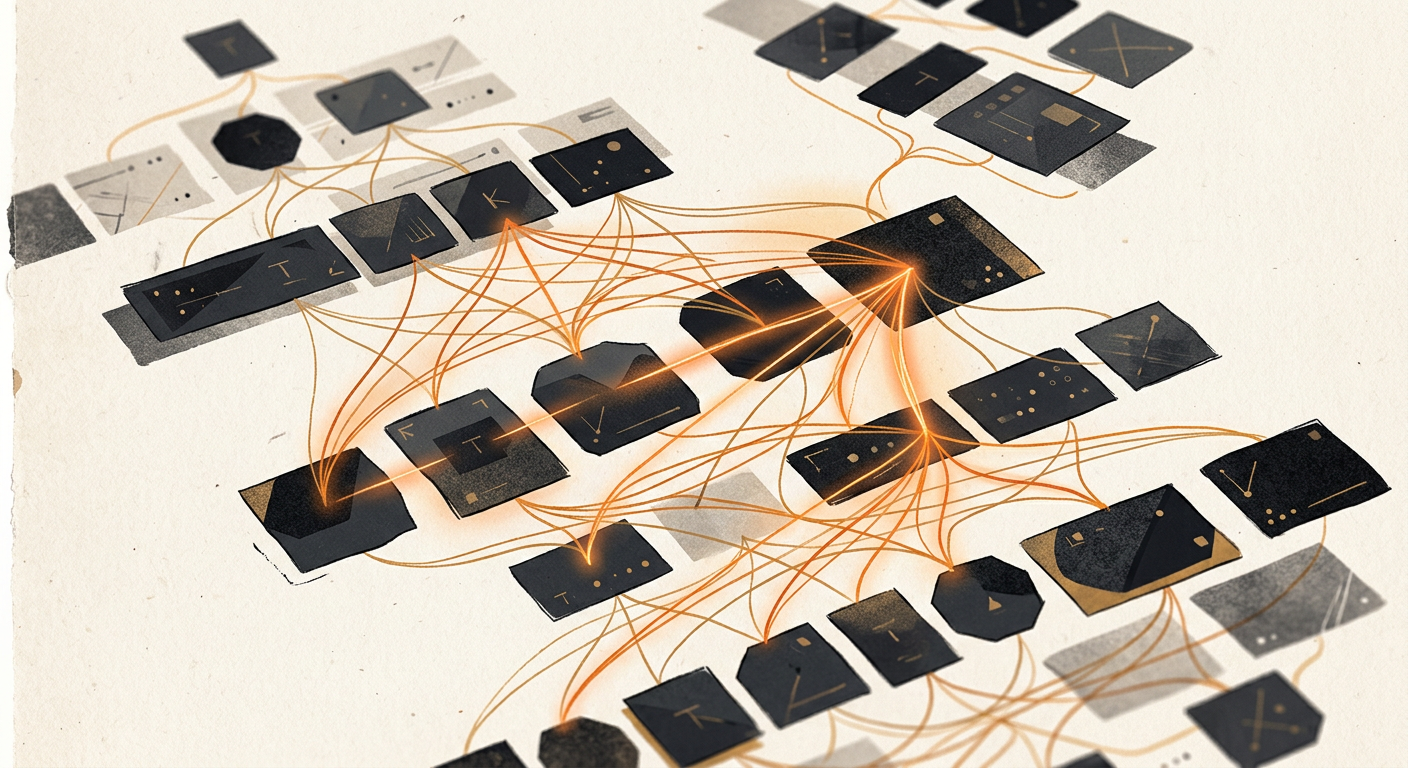
How Transformers Changed Everything
A single architecture built on attention now powers chatbots, translation, code assistants, and more. Here is why it worked.
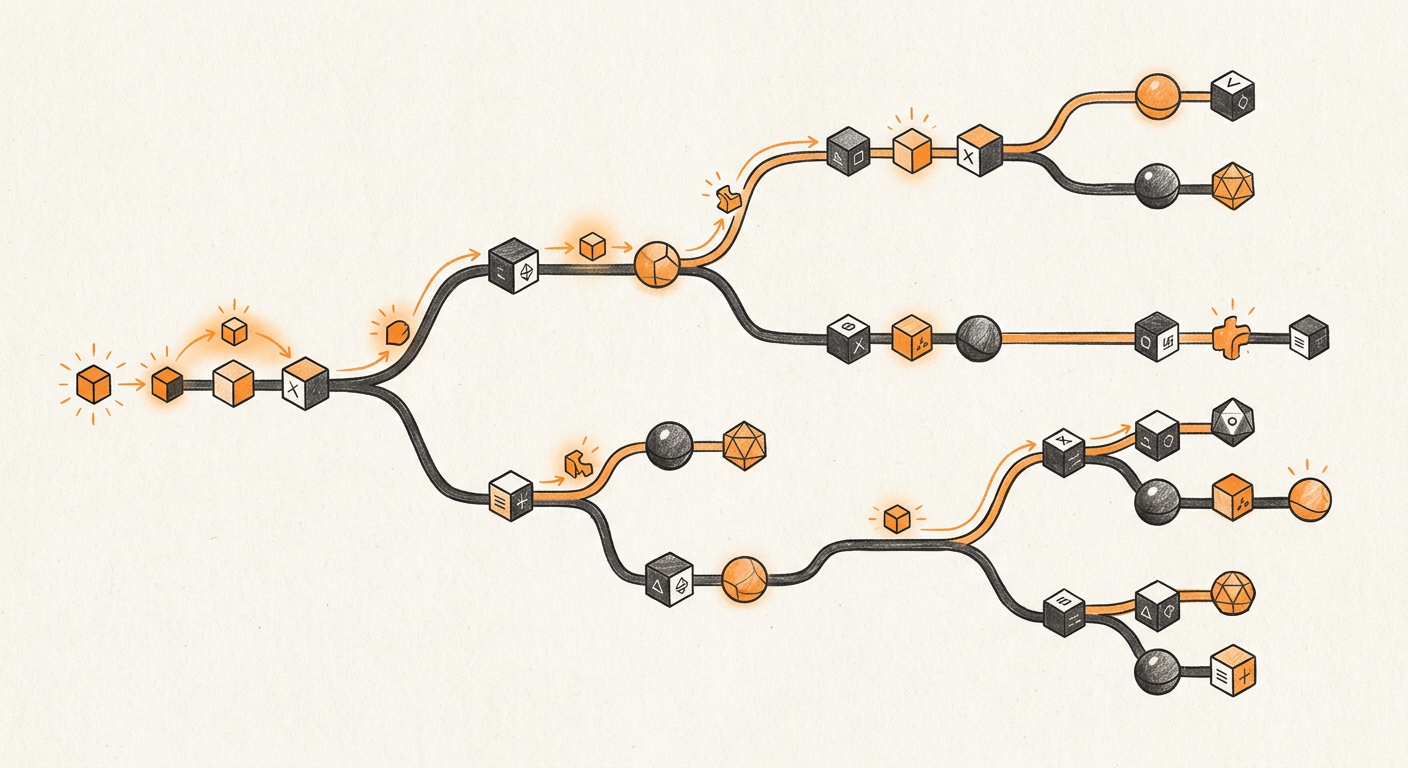
The Rise of AI Agents
Language models are learning to plan, use tools, and complete multi-step tasks. What makes an agent different from a chatbot?
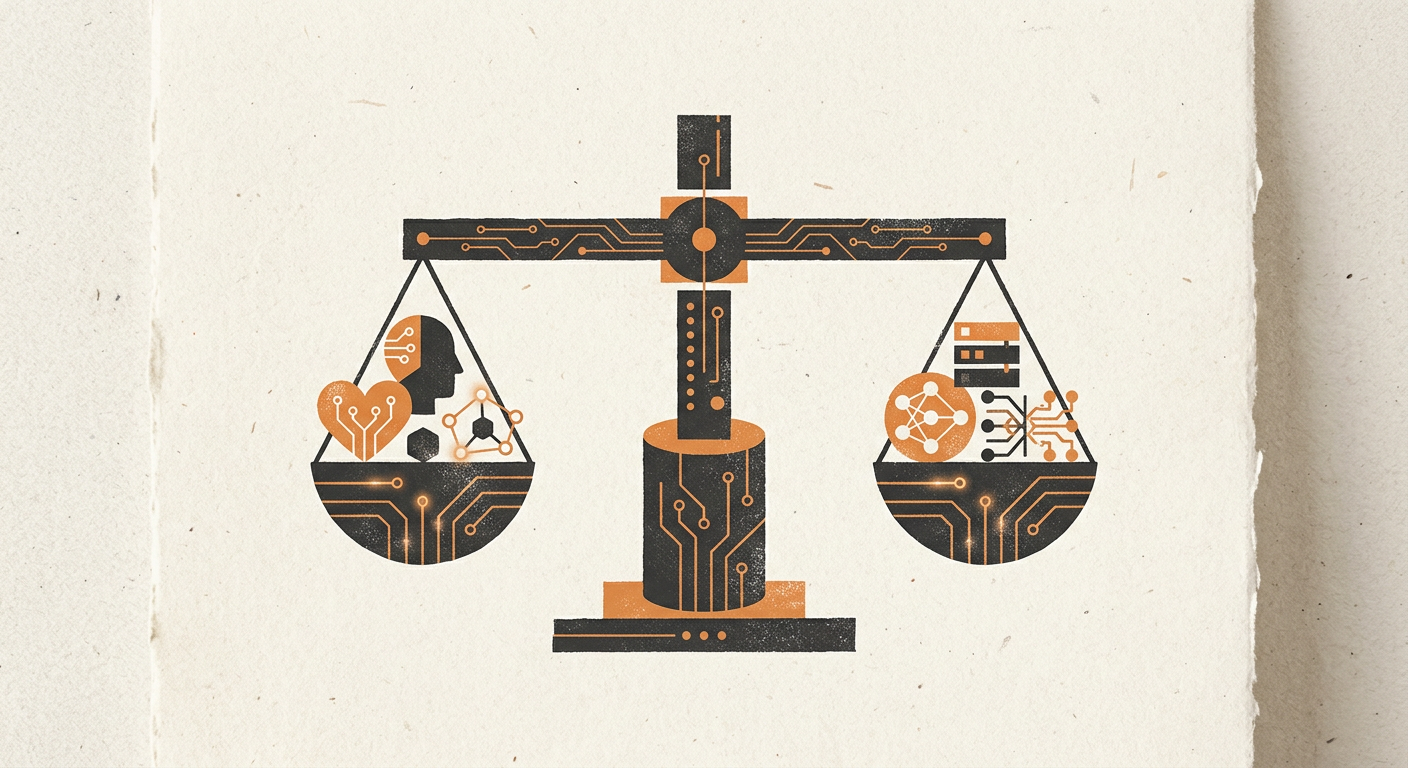
The Case for Algorithmic Audits
We audit company finances. As AI systems make decisions about loans, jobs, and healthcare, we should audit them too.