The Rise of AI Agents
Language models are learning to plan, use tools, and complete multi-step tasks. What makes an agent different from a chatbot?
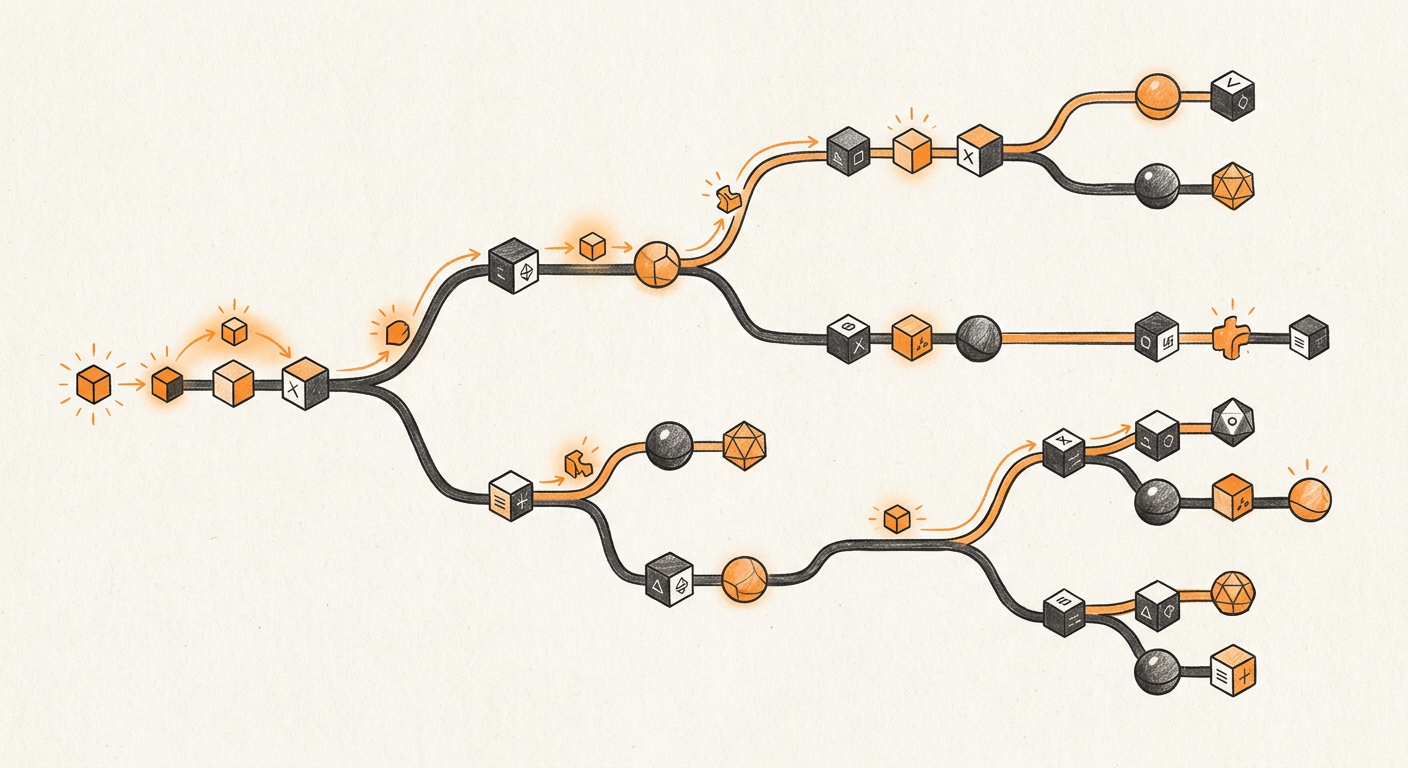
A chatbot answers. An agent acts. Given a goal, an agent breaks it into steps, calls tools like search or code execution, checks the results, and keeps going until the job is done.
The agent loop
- Observe the current state and goal.
- Decide on the next action or tool call.
- Execute and read the result.
- Repeat until finished or stuck.
New capabilities, new risks
Agents can book travel, triage bugs, or research a topic for hours. They can also take wrong actions confidently. Permission boundaries, human approval steps, and clear logs are essential.
The more autonomy we grant a system, the more important it becomes to see exactly what it did.
Keep reading

How Transformers Changed Everything
A single architecture built on attention now powers chatbots, translation, code assistants, and more. Here is why it worked.

Diffusion Models, Explained Without the Math
Image generators start from pure noise and slowly sculpt a picture. The intuition is simpler than you might expect.
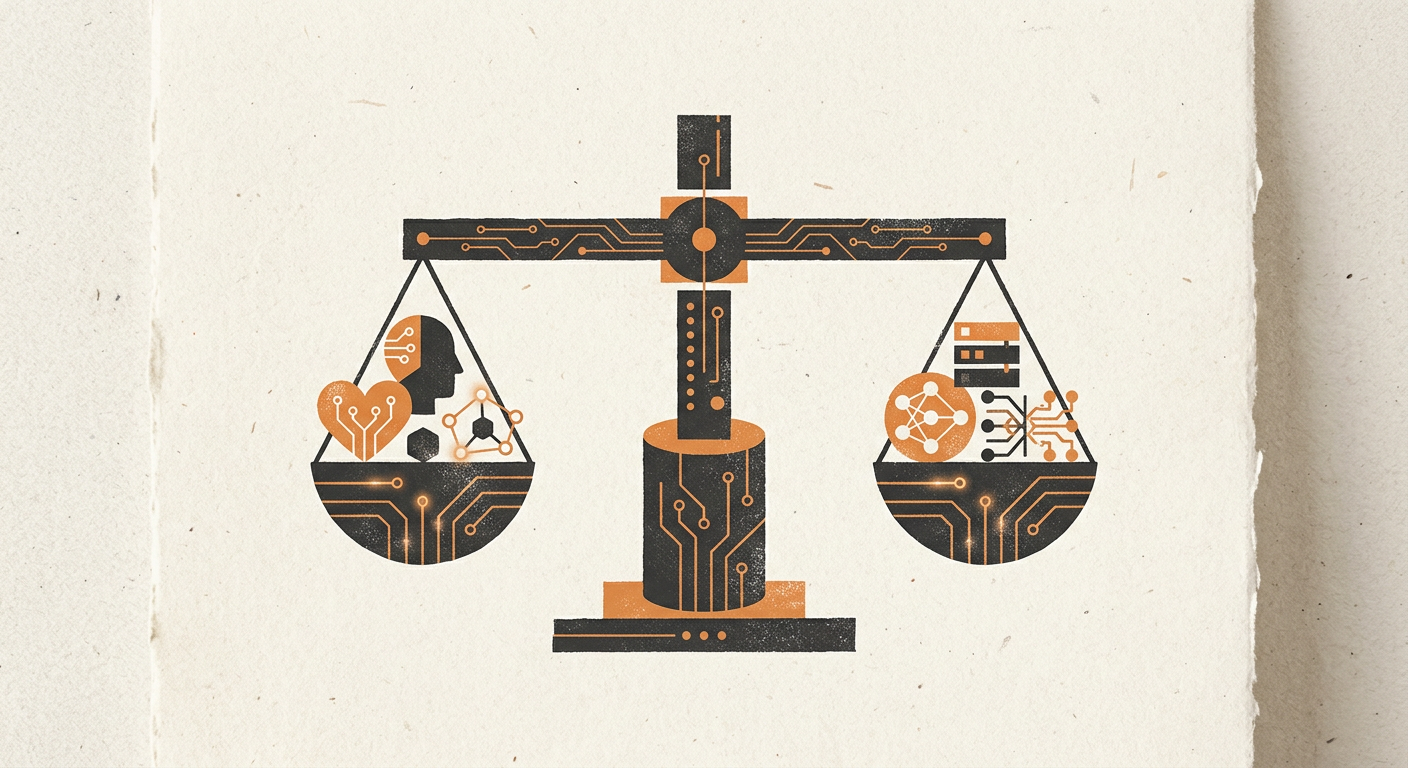
The Case for Algorithmic Audits
We audit company finances. As AI systems make decisions about loans, jobs, and healthcare, we should audit them too.