An Intuition for Gradient Descent
Almost every neural network learns by rolling downhill on a landscape of errors. Here is the idea in plain language.
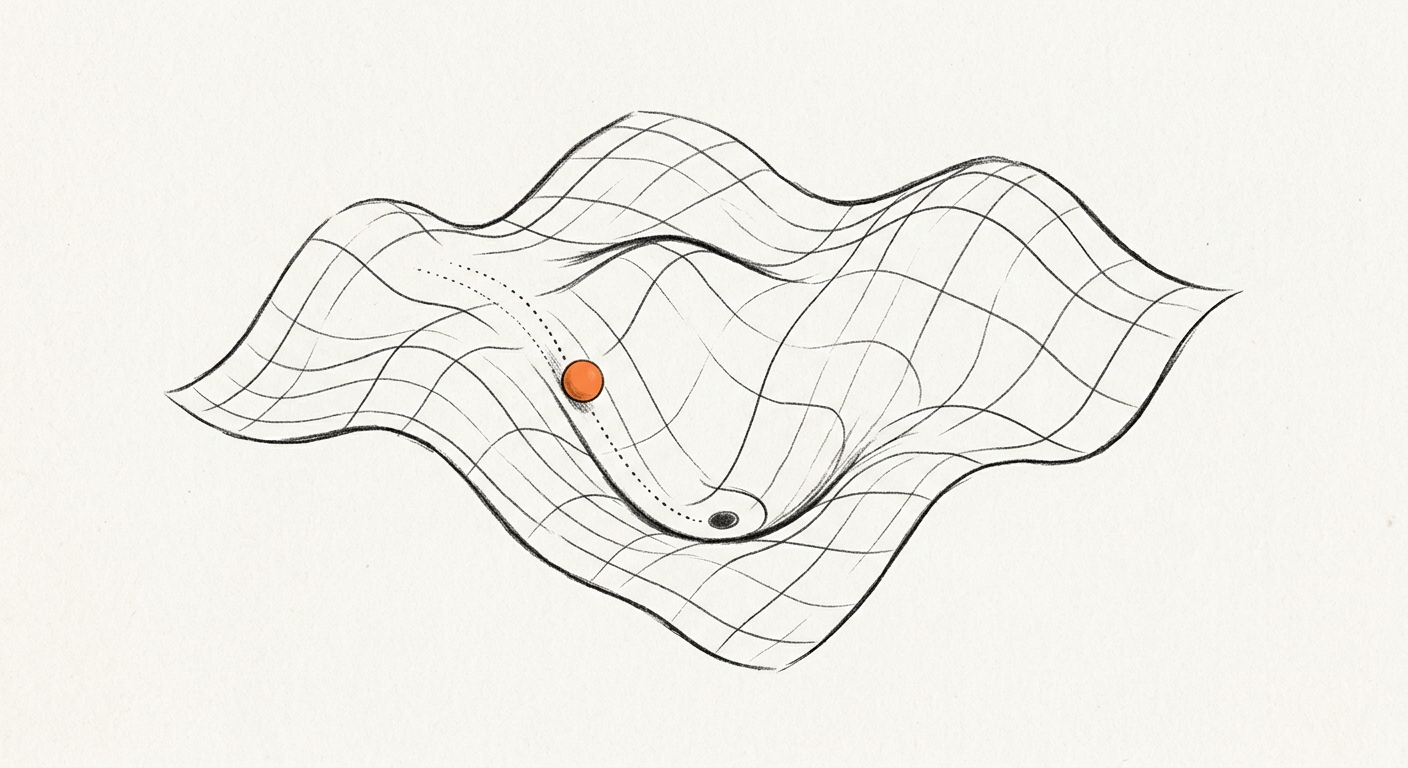
Imagine standing on a foggy hillside, trying to reach the lowest valley. You cannot see far, but you can feel which way the ground slopes. Take a small step downhill, feel again, repeat. That is gradient descent.
The landscape is the loss
Every possible setting of a model's weights has an error score. Plot that score and you get a landscape. Training means finding a low point, where predictions are good.
Choosing a step size
- Too large and you overshoot the valley.
- Too small and training takes forever.
- Adaptive optimizers adjust step sizes per parameter.
Deep learning is, at its heart, billions of tiny downhill steps.
Backpropagation is simply an efficient way to compute the slope for every weight at once. Together, these two ideas train nearly every modern network.
Keep reading
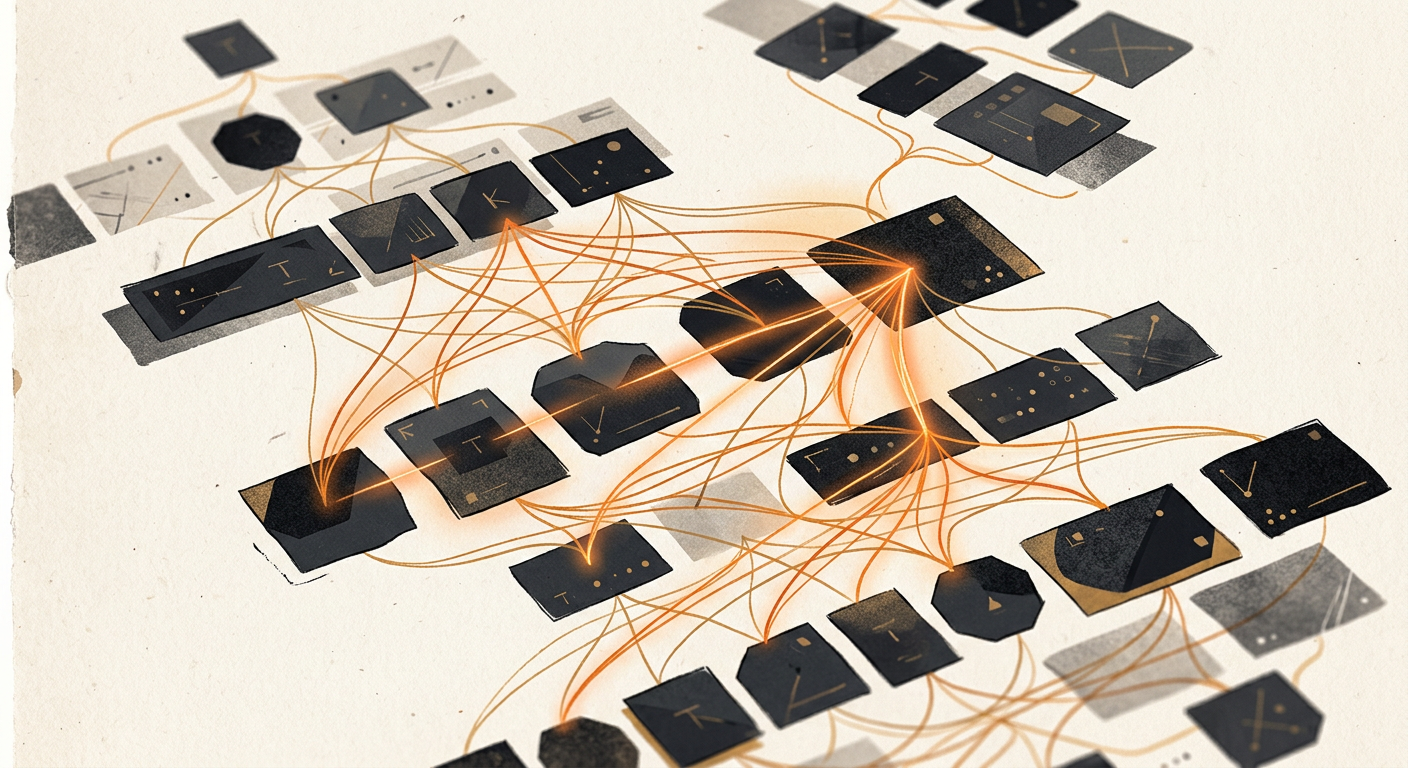
How Transformers Changed Everything
A single architecture built on attention now powers chatbots, translation, code assistants, and more. Here is why it worked.
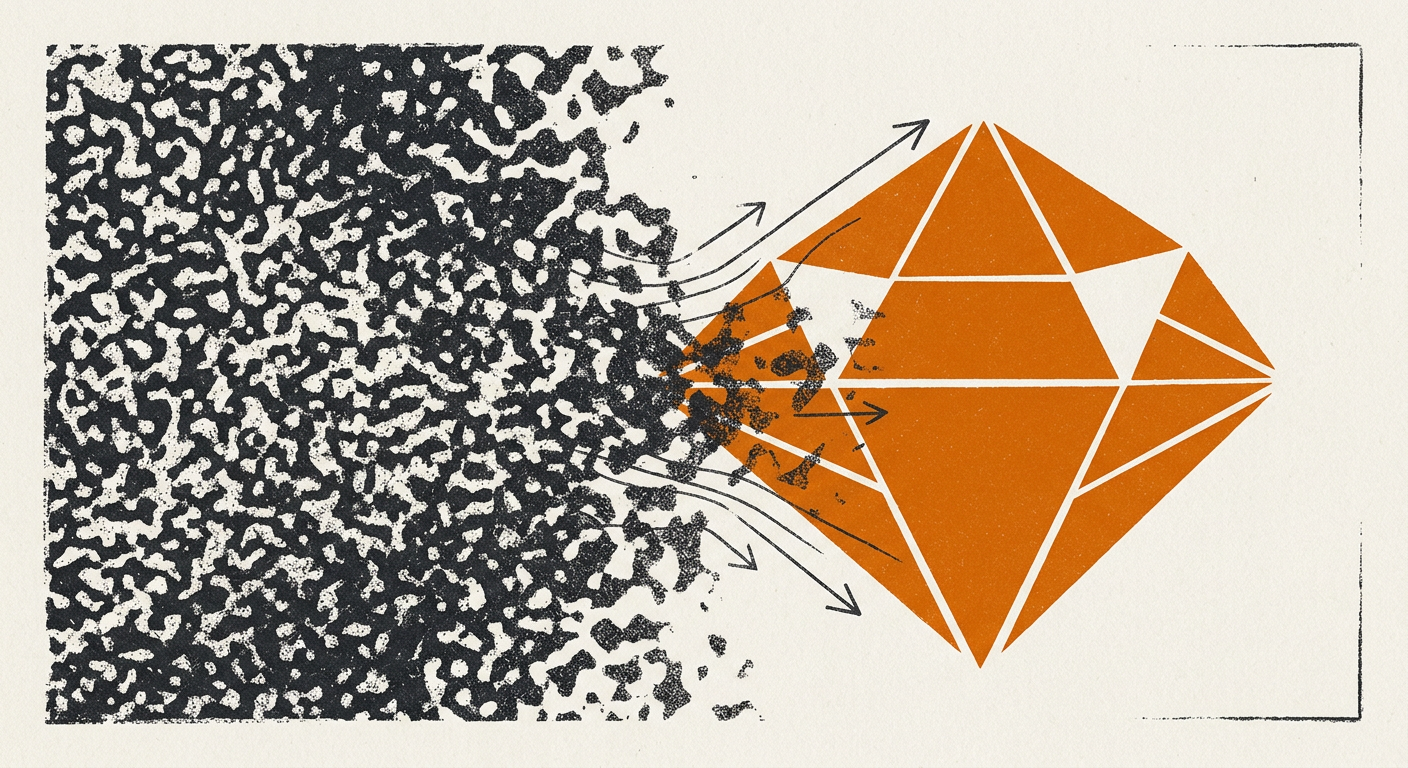
Diffusion Models, Explained Without the Math
Image generators start from pure noise and slowly sculpt a picture. The intuition is simpler than you might expect.
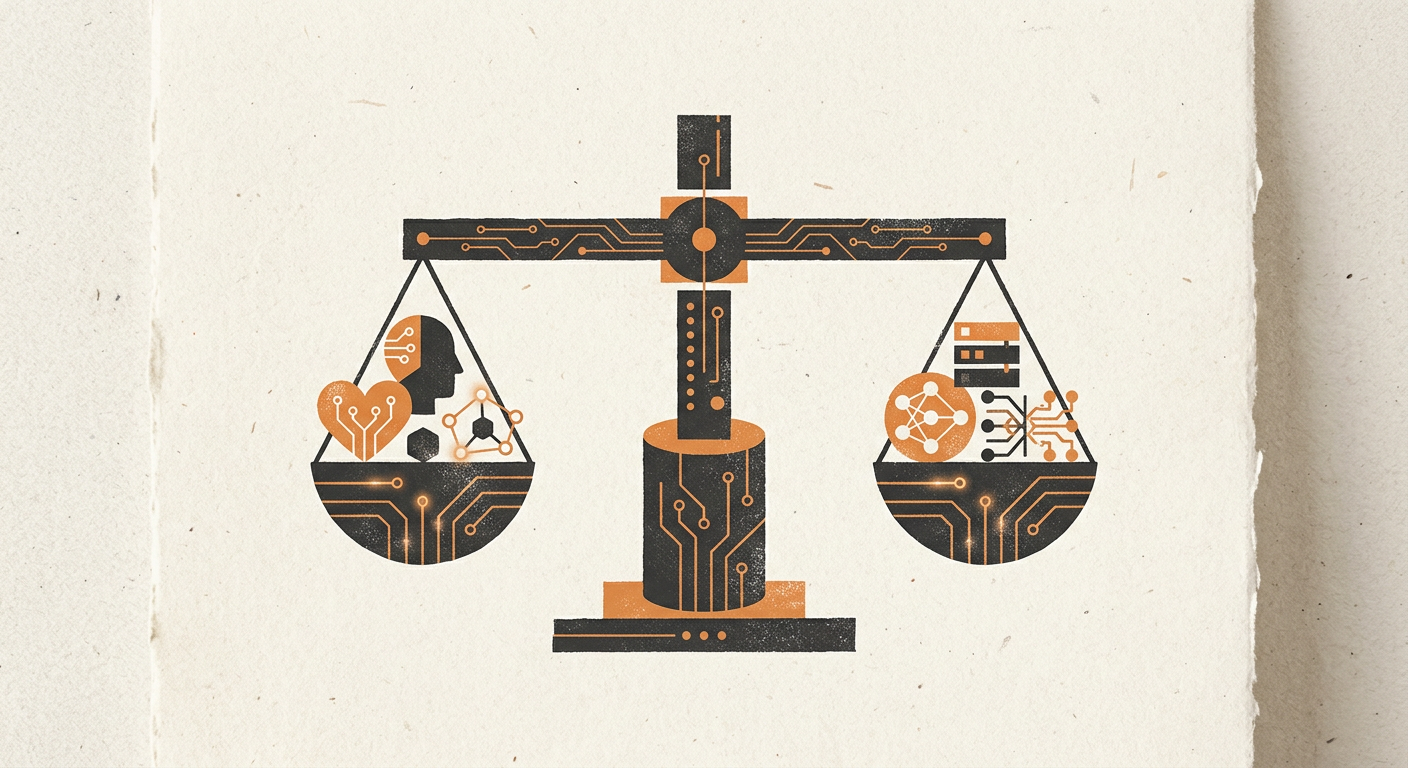
The Case for Algorithmic Audits
We audit company finances. As AI systems make decisions about loans, jobs, and healthcare, we should audit them too.